
slotsmagic online casino — spiludvalg og udbydere | slots magic casino
slotsmagic online casino — topsoftware til casino i 2026
slotsmagic online casino definerer i stigende grad standarden for, hvad spillere kan forvente af moderne kasinospil. Med fokus på avanceret grafik, lyd og interaktive funktioner er der tale om en genre, der konstant flytter grænser. I denne artikel ser vi nærmere på, hvordan slotsmagic spil bidrager til at forme fremtidens spiloplevelser.
See also:
- slotsmagic casino uden rofus: Første skridt til en god start
- slotsmagic spil: En komplet guide til begyndere
- Bonusvilkår for Spil hos slots magic casino
- slotsmagic casino spillemaskiner: En komplet guide til begyndere
- Top Spilleautomat RTP hos slots magic casino
- Billede af slots magic casino Casinospil
- Hvilke slotsmagic spil er mest populære?
- Hvad er de mest almindelige spørgsmål om slotsmagic casino uden rofus?
- Sådan spiller du ansvarligt på slots magic casinos spilleautomater
slotsmagic casino uden rofus: Første skridt til en god start
I 2026 har udviklingen inden for spil- og softwareudbydere nået et nyt niveau, hvor teknologiske fremskridt og regulatoriske krav konstant former landskabet. slotsmagic online casino er blevet et centralt omdrejningspunkt for både operatører og spillere, der søger innovative løsninger og en pålidelig spiloplevelse. I denne artikel dykker vi ned i de nyeste tendenser, fra avancerede algoritmer til bæredygtige platforme, og hvordan de påvirker branchens fremtid. Vi ser også nærmere på, hvordan softwareudbydere navigerer i et marked, hvor konkurrencen er intensiveret, og hvor spillernes forventninger til kvalitet og sikkerhed aldrig har været højere. Med fokus på både tekniske aspekter og markedsdynamikker giver vi et nuanceret billede af, hvad der driver sektoren i 2026.
Samtidig er spørgsmålet om ansvarligt spil og regulering blevet mere fremtrædende, hvilket har fået mange udbydere til at implementere løsninger, der balancerer underholdning med spillernes velvære. Et centralt element i denne udvikling er integrationen af kunstig intelligens, som ikke kun forbedrer spiloplevelsen, men også hjælper med at identificere risikoadfærd. For operatører betyder det, at de kan tilbyde mere personlige og fleksible produkter, mens de samtidig overholder strenge lovgivningsmæssige rammer. slotsmagic casino uden rofus spiller her en afgørende rolle, da det giver indsigt i, hvordan forskellige teknologier kan kombineres for at opnå optimale resultater. Uanset om det drejer sig om live-spil, virtuelle sportsgrene eller klassiske casinospil, er det tydeligt, at samspillet mellem software og hardware bliver stadig mere kompleks og sofistikeret.
I takt med at markedet modnes, ser vi også en stigende konsolidering blandt softwareudbydere, hvor fusioner og partnerskaber bliver almindelige strategier for at styrke markedsandele. Dette skaber et økosystem, hvor innovation og skalerbarhed er nøgleord, og hvor de store aktører konstant udfordres af nye, agile start-ups. For forbrugerne betyder dette et bredere udvalg af spil og tjenester, men også et større krav om gennemsigtighed og fair play. Vi undersøger derfor både de teknologiske landevindinger og de forretningsmæssige strategier, der definerer perioden, og vi giver konkrete eksempler på, hvordan disse tendenser udmønter sig i praksis.
En anden væsentlig faktor er globaliseringen af spilindustrien, hvor grænseoverskridende samarbejder og licenser bliver almindelige. Dette stiller nye krav til lokalisering og tilpasning af indhold, hvilket igen påvirker, hvordan softwareudbydere strukturerer deres udviklingsprocesser. Samtidig er spillernes adfærd i forandring, idet mobile enheder i stigende grad fungerer som den foretrukne spilleplatform. Dette har ført til en massiv satsning på mobiloptimering og cloud-baserede løsninger, som giver mulighed for problemfri adgang på tværs af enheder. Denne udvikling betyder også, at datasikkerhed og beskyttelse af personlige oplysninger er blevet en topprioritet for både udbydere og operatører.
slotskælderen — udbydere og spiloplevelse | slotskælderen
Set i bakspejlet har 2025 allerede vist, hvor hurtigt teknologiske skift kan ske, og 2026 ser ud til at fortsætte denne tendens. Især udbredelsen af blockchain og kryptovalutaer har åbnet nye døre for transaktioner og spil, selvom der stadig er udfordringer med regulering og volatilitet. Vi diskuterer derfor også de potentielle fordele og ulemper ved disse nye betalingsmetoder og deres indvirkning på den samlede spiloplevelse. Endelig ser vi på, hvordan softwareudbydere arbejder med ansvarligt spil, herunder værktøjer til selvudelukkelse og indsatsgrænser, og hvordan disse initiativer modtages af spillerne.
slotsmagic spil: En komplet guide til begyndere
Lightning Roulette is a high-stakes, electrifying twist on the classic casino game, where every spin carries the potential for sudden, spectacular multipliers that can turn a modest bet into a life-changing windfall. Unlike traditional roulette, which relies solely on the spin of the wheel and the bounce of the ball, this variant introduces a random lightning strike that can strike up to five lucky numbers on the table, each assigned a multiplier ranging from 50x to 500x. The game unfolds in a sleek, modern studio with dramatic lighting and a charismatic host, who guides players through the action with theatrical flair, building suspense as the wheel spins and the lightning bolts crackle across the screen. Before the wheel stops, a digital animation shows a bolt of lightning hitting specific numbers, illuminating them with a golden glow and revealing their multiplier values. If the ball lands on one of these struck numbers, the player’s bet on that number is paid out at the multiplied rate, turning a standard 35-to-1 payout into a staggering 500-to-1, or even more in rare cases. The game retains all the classic betting options—red/black, odd/even, high/low, dozens, columns, and straight-up numbers—but the lightning multipliers add an extra layer of excitement and unpredictability that keeps players on the edge of their seats. The wheel itself is a standard European single-zero layout, ensuring a house edge of 2.7%, but the lightning feature introduces a separate, optional side bet that can be placed on any number, and if that number is struck by lightning, the payout is multiplied accordingly. This side bet is what truly sets Lightning Roulette apart, as it allows players to wager on the possibility of a lightning strike, with the potential for enormous returns even on small stakes. The studio atmosphere is designed to mimic a live TV show, with dramatic music, flashing lights, and a professional presenter who interacts with players, calling out the numbers and celebrating big wins with genuine enthusiasm. The game is streamed in high definition from a state-of-the-art studio, with multiple camera angles that capture the wheel, the ball, and the lightning strikes from different perspectives, creating an immersive experience that feels both intimate and grand. The lightning strikes are generated by a certified random number generator, ensuring fairness, and the multipliers are predetermined before the spin, so there is no manipulation or after-the-fact adjustments. Players can place their bets in real-time, with a countdown timer adding urgency, and the host often builds anticipation by pausing before revealing the struck numbers, letting the tension mount. The maximum payout for a single spin is capped at 500,000 euros, which means that even with a small bet, a lucky player can walk away with a substantial sum. The game also features a user-friendly interface that displays the history of past numbers and lightning strikes, allowing players to analyze patterns, though the randomness ensures that no strategy can guarantee a win. For those who enjoy the social aspect of live casino gaming, Lightning Roulette offers a chat function where players can interact with the host and each other, sharing in the excitement of near-misses and celebrating big wins together. The game’s popularity has soared since its release, becoming a staple in online casinos, and it appeals to both seasoned roulette enthusiasts and newcomers drawn by the promise of lightning-fast action and colossal payouts. The visual effects are particularly striking, with the lightning bolts rendered in vivid detail, accompanied by a crackling sound effect that adds to the sensory overload. The host’s role is crucial, as they not only manage the flow of the game but also inject personality and energy, often using catchphrases and dramatic pauses to heighten the drama. The pacing is brisk, with each round lasting about 30 seconds, ensuring that players are constantly engaged, and the lightning strikes can occur at any point during the spin, keeping the outcome uncertain until the very last moment. In terms of strategy, some players prefer to spread their bets across multiple numbers to increase the chance of hitting a struck number, while others concentrate on single numbers with high multipliers, accepting the higher risk for the potential of a massive return. The game also allows for a ‘Racetrack’ betting option, which accommodates European-style call bets, adding another layer of complexity for advanced players. Overall, Lightning Roulette is not just a game of chance; it is a spectacle, a blend of traditional gambling with modern technology and entertainment, designed to deliver thrills and unforgettable moments with every spin.
betting hjemmesider 2026 — nye betting hjemmesider
Bonusvilkår for Spil hos slots magic casino
- 100 % ekstra op til kr150
- kr100 i bonus med 50 gratis spins
- 25x gennemspil inden for 21 dage
- 25x wagering i 30 dage
slotsmagic casino spillemaskiner: En komplet guide til begyndere
variants are distinct versions of a single gene, known as alleles, that arise through mutations in the DNA sequence, and these differences can manifest as observable traits, susceptibility to diseases, or variations in drug metabolism, with each individual inheriting two copies—one from each parent—and the specific combination of these variants, known as a genotype, determining the phenotype, while the broader population-level diversity of these variants, termed genetic polymorphism, provides the raw material for natural selection and evolutionary adaptation, and in clinical genetics, identifying pathogenic variants through sequencing technologies enables precise diagnosis, risk assessment, and personalized treatment strategies, yet the functional impact of many variants remains unclear, requiring functional assays and computational predictions to classify them as benign, likely benign, uncertain significance, likely pathogenic, or pathogenic, and the interpretation of variants is further complicated by factors such as incomplete penetrance, variable expressivity, and gene-environment interactions, meaning that even a known disease-causing variant may not produce the same clinical outcome in every carrier, which underscores the importance of integrating genomic data with family history, environmental exposures, and longitudinal health records, and in the context of pharmacogenomics, variants in genes encoding drug-metabolizing enzymes, transporters, or receptors can dramatically alter drug efficacy and toxicity, leading to the field of precision medicine where genotype-guided dosing is increasingly adopted, for example, variants in CYP2C19 affect clopidogrel activation, while TPMT variants influence thiopurine toxicity, and similarly, variants in VKORC1 and CYP2C9 determine warfarin sensitivity, and beyond single nucleotide variants, structural variants such as insertions, deletions, duplications, inversions, and copy number variations also contribute to phenotypic diversity, with some being benign and others causing disorders like Charcot-Marie-Tooth disease or autism spectrum disorder, and the detection of these variants has been revolutionized by next-generation sequencing, which can simultaneously assess millions of bases, yet the sheer volume of data poses bioinformatics challenges, including alignment, variant calling, and filtering, and the clinical reporting of variants requires adherence to guidelines from professional bodies like ACMG and AMP, which recommend a five-tier classification system, but the dynamic nature of variant interpretation means that reclassification occurs as new evidence emerges, potentially altering patient management, and the ethical, legal, and social implications of disclosing incidental findings, such as variants in cancer predisposition genes, are actively debated, with policies varying by jurisdiction, and in research, large-scale projects like the 1000 Genomes Project and gnomAD have cataloged global variant frequencies, enabling better differentiation of common polymorphisms from rare disease-causing mutations, and population-specific databases are essential because allele frequencies differ across ethnic groups, affecting the prior probability of pathogenicity, and the integration of polygenic risk scores, which aggregate the effects of many small-effect variants, is beginning to complement single-variant analysis for complex diseases like heart disease and diabetes, though clinical utility remains under evaluation, and the educational needs of healthcare providers and patients are paramount to ensure accurate communication of variant results, avoiding deterministic interpretations and emphasizing probabilistic risks, and finally, the future of variant interpretation lies in machine learning models that incorporate functional genomics, protein structure, and evolutionary conservation, alongside robust clinical validation, to provide actionable insights, but even then, the fundamental principle remains that a variant is not inherently good or bad—it is the context, including genetic background and environment, that determines its impact, and as genomic medicine expands, the lexicon of variants will continue to evolve, integrating new types of variation such as mosaic variants and somatic mutations in cancer, each with unique implications for diagnosis and therapy, and thus, the study of variants bridges molecular biology, population genetics, clinical medicine, and bioinformatics, representing a cornerstone of modern biomedical science.
mobil casinoer 2026 — mobil casinoer uden indbetaling
Top Spilleautomat RTP hos slots magic casino
| Name | Biggest win | RTP | Year | Provider |
|---|---|---|---|---|
| Emma N. | 2000 kr | 300% | 2025 | Relax Gaming |
| Slot Z | 27,500 | 50 | 2024 | Provider C |
| Esbjerg Entertainment | 8,500 | 50 | 2025 | Thunderkick |
| Twin Spin | 27,500 | 96.06% | 2013 | NetEnt |
| Royal Spin | 12,400 kr | 300% | 2025 | Microgaming |
| Valiant Casino | 12,400 kr | 300% | 2023 | Play’n GO |
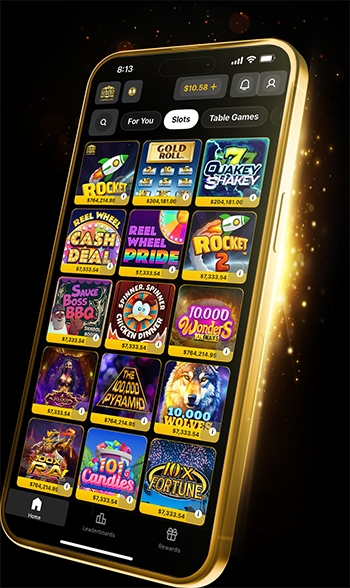
Billede af slots magic casino Casinospil
Hvilke slotsmagic spil er mest populære?
Cluster pays, a term that echoes through the corridors of modern data architecture, represents a paradigm shift in how we perceive computational remuneration and resource allocation. At its core, a cluster pay system is not merely a financial transaction but a sophisticated orchestration of distributed computing resources, where each node in a cluster contributes its processing power, memory, and storage to a collective pool, and the resulting output is compensated based on the aggregate work performed. This concept, while seemingly straightforward, unravels into a tapestry of intricate mechanisms: load balancing algorithms that dynamically distribute tasks across heterogeneous hardware, fault-tolerant protocols that ensure no single point of failure compromises the integrity of the payout, and real-time accounting systems that track micro-transactions down to the smallest unit of computational work. In practice, cluster pays manifest in various domains: from cloud service providers who bill customers based on the cumulative CPU cycles consumed across a virtualized server farm, to blockchain networks where miners are rewarded for validating transactions through a proof-of-work consensus, and even in scientific computing, where research institutions share idle cluster capacity and compensate contributors based on the number of floating-point operations executed. The economic implications are profound, as cluster pays introduce a novel pricing model that decouples cost from individual machine specifications, instead aligning it with the actual utility delivered. This necessitates a robust metering infrastructure, often leveraging time-series databases to record every resource usage event, and sophisticated billing engines that can aggregate these records into coherent invoices. Moreover, the concept extends beyond mere monetary compensation; it encompasses service-level agreements (SLAs) that guarantee a certain quality of service, with penalties or bonuses tied to performance metrics such as latency, throughput, and uptime. For instance, a cluster pay arrangement might stipulate that if the aggregate processing capacity falls below a threshold due to node failures, the provider must issue credits to the consumer, thereby aligning incentives for reliability. Furthermore, the advent of serverless computing has blurred the lines, as functions are executed across ephemeral clusters, and billing is based on the exact duration and memory footprint of each invocation, a form of cluster pay at a granular level. Security also plays a pivotal role; cluster pay systems must ensure that no node can inflate its contribution artificially, which requires cryptographic attestation and verifiable computation techniques. In edge computing scenarios, cluster pays enable collaborative processing among IoT devices, where each device contributes its idle cycles and receives tokens or credits for its participation, fostering a decentralized economy of computational resources. The scalability of cluster pays is another dimension; as clusters grow to encompass thousands of nodes, the accounting overhead must remain manageable, leading to hierarchical aggregation strategies and probabilistic counting algorithms like HyperLogLog for estimating distinct resource usages. Additionally, cluster pays are intertwined with energy efficiency, as providers may offer differential rates based on the carbon footprint of the energy consumed by the cluster, incentivizing the use of renewable sources. In the realm of high-performance computing, cluster pays facilitate the sharing of supercomputing resources among academic and industrial partners, where each project is billed according to the node-hours consumed, with priority pricing for urgent workloads. The legal and regulatory framework surrounding cluster pays is still evolving, with questions about cross-border taxation, data sovereignty, and the enforceability of smart contracts that automate payouts. From a technical standpoint, implementing cluster pays requires a robust scheduling system that can preemptively allocate resources, a monitoring stack that captures fine-grained telemetry, and a payment gateway that supports both fiat and cryptocurrency transactions, often through smart contracts on platforms like Ethereum. The user experience also matters; dashboards must provide transparency into how cluster usage translates into costs, with real-time visualizations of resource consumption and projected bills. In multi-tenant clusters, cluster pays enable fair cost allocation among tenants, preventing a single noisy neighbor from degrading performance without financial consequences, thereby encouraging efficient usage patterns. Moreover, cluster pays can be dynamic, adjusting prices based on supply and demand, much like spot instances in cloud computing, where the cost of a compute unit fluctuates with the availability of idle resources. This market-based approach introduces complexity but also efficiency, as it naturally balances load and maximizes resource utilization. In summary, cluster pays is a multifaceted concept that bridges finance, distributed systems, and economics, requiring a holistic understanding of both hardware and software, as well as the human and organizational factors that drive adoption. It is not just a billing mechanism but a philosophy of shared resource stewardship, where every cycle counts and every contribution is valued. As we move towards exascale computing and the Internet of Things, cluster pays will become even more prevalent, necessitating innovations in metering, pricing, and settlement. The future may see the emergence of decentralized autonomous organizations (DAOs) that manage cluster resources and distribute payments based on community governance, further democratizing access to computational power. Ultimately, cluster pays represents a maturation of the digital economy, where the intangible act of computation is given tangible value, and the collective power of many small machines is harnessed for grand challenges, from climate modeling to drug discovery.
Hvad er de mest almindelige spørgsmål om slotsmagic casino uden rofus?
Hvilke spiludbydere kan jeg finde hos slots magic casino?
slots magic casino tilbyder et bredt udvalg af spil fra førende udbydere som NetEnt, Microgaming, Play’n GO og Evolution Gaming, så du kan nyde både spilleautomater, bordspil og live casino.
Kan jeg prøve spillene gratis i demo-tilstand?
Ja, mange af spiludbydernes spil hos slots magic casino kan spilles i demo-tilstand, så du kan teste dem uden at satse rigtige penge.
Hvordan finder jeg et bestemt spil fra en bestemt udbyder?
Du kan nemt søge efter spil ved at bruge filtrene på slots magic casinos hjemmeside, hvor du kan sortere efter udbyder, spiltype eller titel.
Er der nogle eksklusive spil eller spil, der kun findes hos slots magic casino?
Ja, slots magic casino har ofte eksklusive spil og samarbejder med spiludbydere for at tilbyde unikke titler, som du ikke finder andre steder.
Hvordan sikrer slots magic casino, at spillene er fair og pålidelige?
Alle spiludbydere hos slots magic casino er licenseret og testet af uafhængige organisationer, hvilket sikrer, at spillene er fair og pålidelige.
Begyndere, der udforsker slotsmagic online casino, bør starte med gratis demoer.
betting hjemmesider 2026 — over/under forklaret
Sådan spiller du ansvarligt på slots magic casinos spilleautomater
Spil er kun for voksne over 18 år. slots magic casino opfordrer til ansvarligt spil og henviser til Spillemyndigheden som den danske spillemyndighed. Hvis du har brug for hjælp eller ønsker at udelukke dig selv fra spil, kan du benytte ROFUS (Register over Frivillige Udelukkelser fra Spil) samt kontakte StopSpillet på 70 22 28 25. Vi anbefaler, at du sætter indbetalings- og tidsgrænser, og at du altid spiller for underholdningens skyld – aldrig for at jagte tab. Spil ansvarligt.